I’m playing with semantics a little, but hear me out…
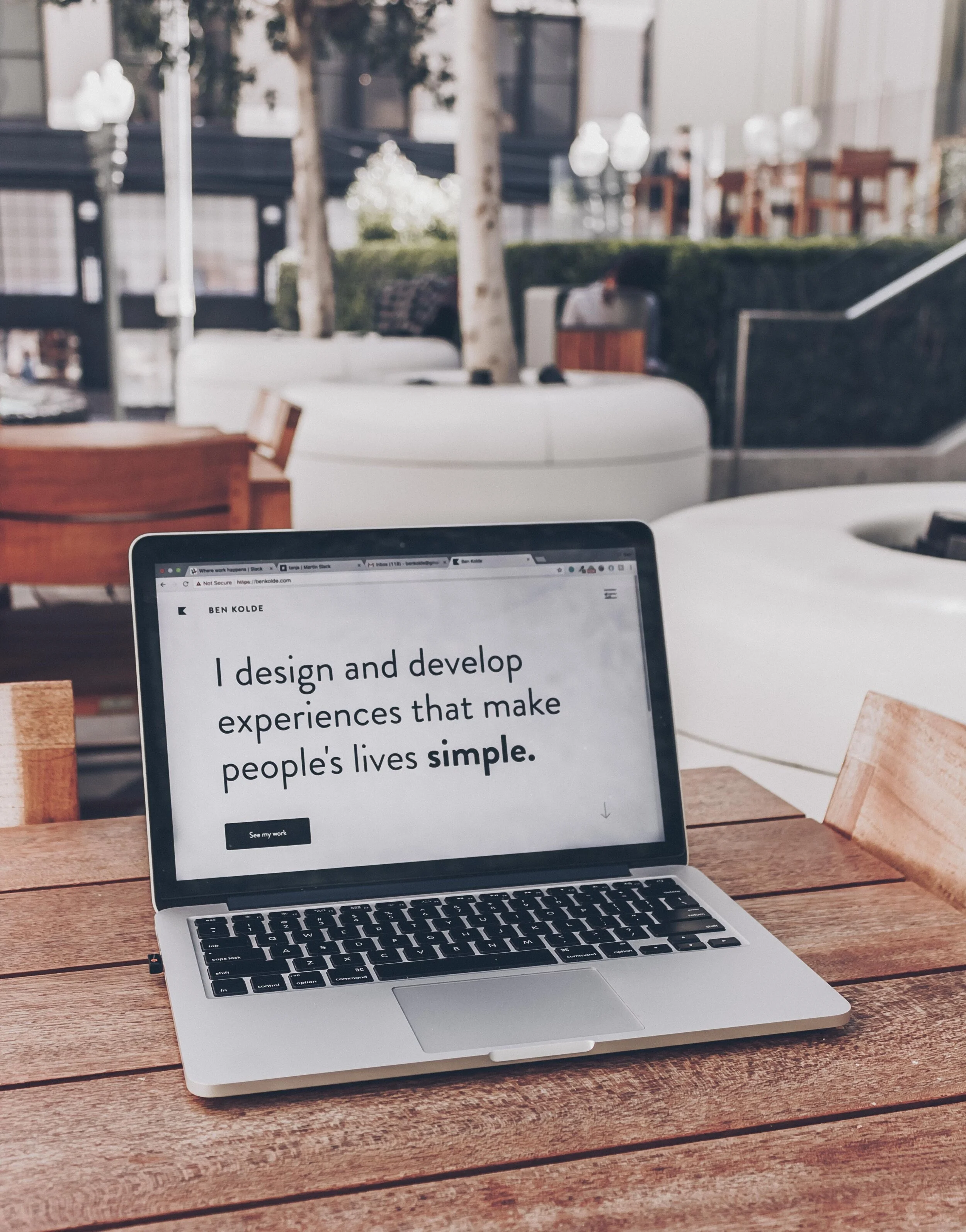
A recent LinkedIn post I saw showed a new website automation tool (the post can be found Here). It featured a simple text box - you entered what you wanted the web page to look like and the AI automatically generated the content.
This gives me mixed emotions.
As a creative kind of fellow, seeing AI performing to this level leaves me thinking of how much of the creative process and individuality will be lost.
On the other hand, so many website hosting companies - Squarespace, Go Daddy etc. - already provide templates to personalise, so is this not the next logical step?
Creativity will need to play a massive part in the AI solution. If the AI doesn’t produce unique websites and content, it won’t take off. The companies behind the AI will need to ensure they have creatives on board to make this work, otherwise it will tip the wrong side of the line between Similarity and Familiarity.
I’m playing with semantics a little, but hear me out.
Using any template-led design service will limit originality, but the result isn’t always bad. A good designer using a template can still create great, original content.
The issue with automated or template solutions is when there is limited creative input, breeding similarity. My definition of this is when multiple websites look the same bar logo and colours - it’s obvious it’s been automatically generated.
To the visitor the lack of originality damages your brand, as it appears you’ve simply copy and pasted your content. If they are searching multiple companies for a service and you all look the same, the first unique one they come across stands head and shoulders above the rest.
Your brand represents your values, your service, your personality. If you dilute this by lack of originality, all of this can be lost.
So, no templates or AI then?
Not at all. All of these services allow user control over the content. By all means use the automation to give you a start point, a draft of your website. Then bring in the creatives to tweak the layouts, colours, copy, fonts and images to make it your own.
The final result will be a unique website in look, feel and message but the interface will feel familiar. This isn't a bad thing, as visitors will be at ease navigating the site without the sense of copy and paste.
Making your website accessible (familiar) is no bad thing when backed up with content that reflects your brand and informs your service.
Making your website an off the shelf clone (similarity) could damage the hard work you’e put into creating who you.
So in this round of ‘battle of the words’, Familiarity wins hands down.
Contributor: Anthony Smith
To learn more about Anthony and read his insights click the button below: